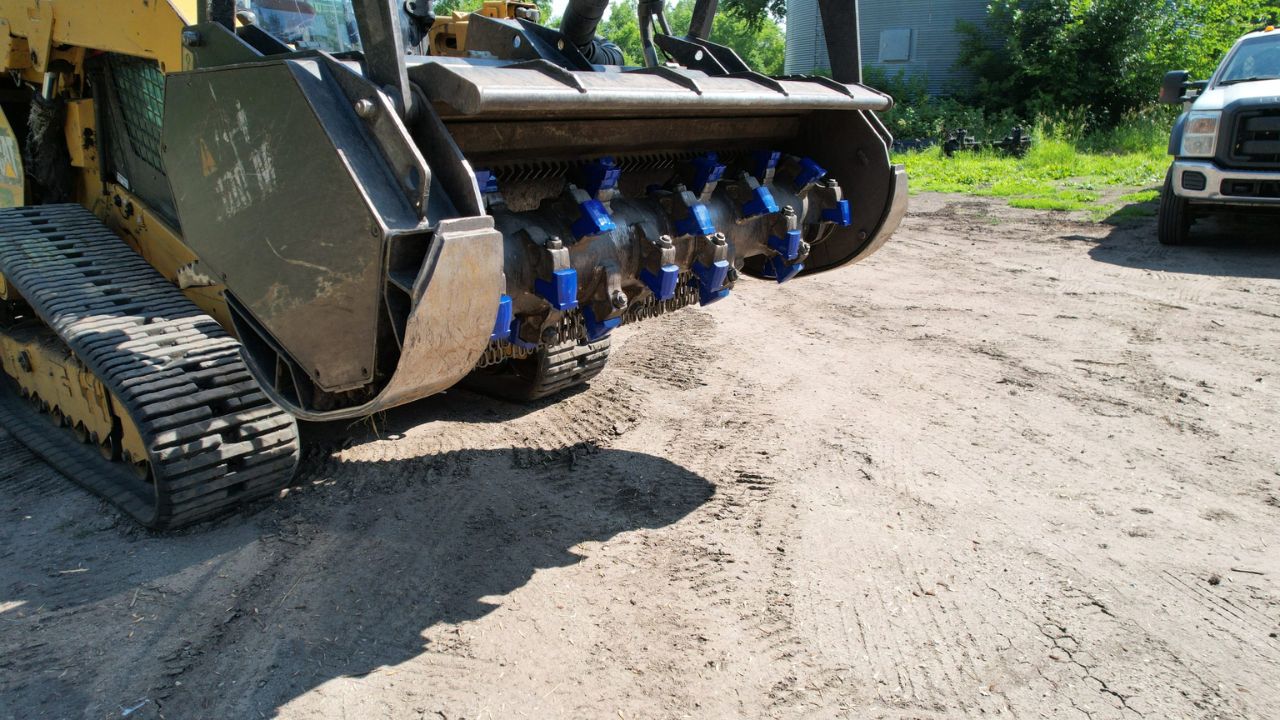
Comparing Aftermarket vs. OEM Mulcher Teeth
Mulcher teeth are very vital parts in the world of forestry and land clearing equipment as they define the efficiency and longevity of a machine and the overall efficiency of a machine. The drum mulcher teeth, especially, are very important in working with thick vegetation and heavy brush, hence making the cutting process smooth and efficient. These cutting tools are positioned on mulcher rotors, and they grind, shred and chop up vegetation, such as trees, stumps and brush. The operators have a dilemma of either using original equipment maker (OEM) teeth or aftermarket alternatives, with each having its own benefits and factors to be considered.
Understanding OEM Mulcher Teeth
Those are the OEM mulcher teeth, which are manufactured by the same manufacturer of the machine. They are made to be exact in specifications, materials and engineering standards of the original equipment. This guarantees interoperability, uniform performance, and wearability. The major benefit of OEM teeth to the operators is their reliability. Due to the construction of these teeth to the precise design of the machine, they will fit perfectly on the rotors, and this will minimize chances of vibration, irregular wear or mechanical strain.
The content of the teeth used in OEM is well chosen to suit that purpose. As an example, brazier or rocky terrain is characterized by carbide-tipped teeth that are highly durable, whereas alloy steel teeth are aimed at regular vegetation. OEM teeth are also usually sold with warranty or maintenance guarantees, which gives the operators peace of mind in utilizing their equipment in handling important projects. OEM products are also subject to extensive testing to ensure that they remain within the performance level that the manufacturer offers, making sure they are cutting at their optimum performance and do not spend much time in downtimes.
The Appeal of Aftermarket Mulcher Teeth
The aftermarket mulcher teeth are produced by third-party companies that deal in spare parts for a variety of machines. They are designed to accommodate a variety of different brands and models that can be very flexible for operators with mixed fleets. Cost is one of the key benefits of aftermarket teeth. They tend to be cheaper than OEM parts and thus offer a viable alternative to companies that are keen to operate on the operating budgets without sacrificing the simplicity of functionality.
Another strength of aftermarket manufacturers is innovation. Most firms concentrate on the enhancement of wearability, reduction of angles and composition of materials in addition to the initial design. This may lead to teeth that have a longer service life or have a better performance under certain conditions.
Key Differences in Performance and Longevity
Consistency and long-term reliability are the major differences between OEM and aftermarket mulcher teeth. OEM teeth are usually associated with predictable performance because they are highly manufactured based on the manufacturing specifications and quality control measures. It is possible to have similar wear and compatibility that is much needed by operators in high-precision applications or with heavy-duty land clearing. Alternatively, the aftermarket teeth may differ in quality based on the manufacturer, the choice of material, and the process used to manufacture the teeth. Whereas high-quality aftermarket teeth can be as durable as or even more so than OEM teeth, lower-quality teeth will wear unevenly or will wear out prematurely.
Maintenance and installation factors are also different. OEM teeth are typically not installed with any modifications and can be installed within a short time, reducing downtime. Aftermarket teeth, though, can be somewhat required to be slightly modified to fit perfectly. This should not be a problem with well-known suppliers, but operators need to be cautious when dealing with a number of suppliers.
Making the Right Choice
The decision on whether to use the OEM or aftermarket mulcher teeth is dependent on a mixture of factors, such as budget, operational needs, terrain, and types of vegetation. The operators that focus on the highest reliability, manufacturer warranty and wear predictability might incline towards OEM teeth. On the other hand, after-market teeth can be more attractive to companies that want to save money, focus more on individual performance capabilities, or are more flexible. Whether it is the case of high-quality teeth or not, it is crucial to invest in high-quality teeth in order to protect costly machinery, enhance cutting efficiency and lessen downtime.
Conclusion
Finally, either OEM or aftermarket, it all comes down to providing a mulcher with teeth that will provide consistent performance, reduce the cost of maintenance and provide safe and efficient land clearance. The operators should critically consider the sources, types of materials, and design of every choice to make well-informed decisions that maximize productivity as well as long-term operation costs. Learning to differentiate between OEM and aftermarket mulcher teeth, forestry and land-clearing professionals will be able to choose the appropriate equipment to use in their machines to maximize efficiency and add maximum security to their equipment used in the harshest environments possible.